
Exploring Essential Water Damage Prevention Services and Water Mitigation
- Angelo DeFilippis
- Aug 3
- 4 min read

Water damage can strike unexpectedly, leaving you overwhelmed and unsure of what to do next. Whether it’s a burst pipe, flooding, or a slow leak, the aftermath can be costly and stressful. That’s why understanding water damage prevention services and how to respond quickly is crucial. In this post, I’ll walk you through the essentials of water damage prevention, what water mitigation involves, and how to protect your property effectively.
Understanding Water Damage Prevention Services
Water damage prevention services are designed to stop water problems before they escalate. These services focus on identifying risks, fixing vulnerabilities, and implementing solutions that keep your home or business safe from water intrusion.
Some common water damage prevention measures include:
Regular inspections of plumbing, roofing, and drainage systems to catch issues early.
Installing sump pumps and backflow valves to manage excess water.
Sealing cracks and gaps in foundations and walls to prevent seepage.
Improving landscape grading to direct water away from the building.
Maintaining gutters and downspouts to ensure proper water flow.
By investing in these services, you reduce the chance of costly repairs and protect your property’s value. For example, a well-maintained gutter system can prevent water from pooling near your foundation, which is a common cause of basement flooding.

Why Quick Response Matters in Water Damage Situations
When water damage occurs, time is of the essence. The longer water sits, the more damage it causes. Mold can start growing within 24 to 48 hours, and structural components can weaken quickly.
Here’s why acting fast is critical:
Minimize structural damage: Water can warp wood, weaken drywall, and damage insulation.
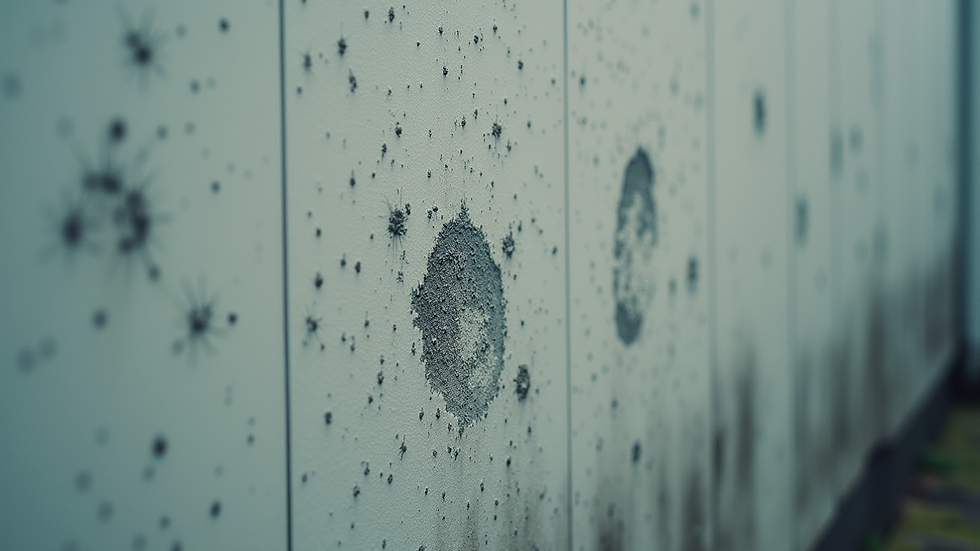
Prevent mold growth: Mold spores thrive in damp environments and can cause health issues.
Reduce restoration costs: Early intervention often means less extensive repairs.
Protect your belongings: Furniture, electronics, and personal items can be saved if dried promptly.
If you notice water pooling, leaks, or signs of moisture, it’s important to call professionals who specialize in water damage restoration. They have the equipment and expertise to dry out your property safely and thoroughly.
What does water mitigation cost?
One of the first questions I get asked is about the cost of water mitigation. The truth is, it varies widely depending on the extent of the damage and the size of the affected area.
Here are some factors that influence the cost:
Severity of water damage: Clean water from a broken pipe is less expensive to fix than contaminated floodwater.
Area affected: Larger spaces require more equipment and labor.
Type of materials involved: Hardwood floors, carpets, and drywall may need different treatments.
Time to response: The sooner the mitigation starts, the lower the overall cost.
Additional services: Mold remediation or structural repairs add to the price.
On average, water mitigation can range from a few hundred dollars for minor leaks to several thousand for major flooding. It’s always best to get a detailed estimate from a certified restoration company to understand your specific situation.
Key Steps in Water Mitigation and Restoration
Water mitigation is the process of reducing or preventing further water damage after an incident. It’s a critical first step before full restoration can begin. Here’s what typically happens during water mitigation:
Assessment and inspection: Professionals evaluate the damage and identify the water source.
Water extraction: Using pumps and vacuums, standing water is removed quickly.
Drying and dehumidification: Industrial fans and dehumidifiers dry out the affected areas.
Cleaning and sanitizing: Surfaces are cleaned to prevent mold and bacteria growth.
Monitoring: Moisture levels are tracked to ensure complete drying.
This process helps stabilize your property and prevents further deterioration. After mitigation, restoration work can repair or replace damaged materials.

How to Choose the Right Water Damage Prevention and Mitigation Service
Choosing the right company to handle water damage prevention and mitigation is essential. Here are some tips to help you make the best choice:
Look for certification: Professionals should be certified by organizations like the IICRC (Institute of Inspection, Cleaning and Restoration Certification).
Check experience: Choose a company with a proven track record in your area.
Ask about equipment: Modern, professional-grade equipment ensures effective drying and restoration.
Read reviews: Customer feedback can reveal the quality of service and reliability.
Get a clear estimate: Transparent pricing helps avoid surprises later.
A reliable service provider will also offer emergency response, which is crucial when water damage strikes unexpectedly.
Taking Preventive Measures at Home or Business
While professional services are vital, there are steps you can take yourself to reduce water damage risks:
Regularly inspect your plumbing for leaks or corrosion.
Keep gutters clean and ensure downspouts direct water away from your foundation.
Install water alarms near appliances and sump pumps to detect leaks early.
Maintain your roof by checking for missing shingles or damage.
Ensure proper grading around your property to prevent water pooling.
These simple actions can save you from costly repairs and give you peace of mind.
Staying Prepared for Water Emergencies
Water emergencies can happen anytime. Being prepared means having a plan and knowing who to call. Here’s what I recommend:
Keep contact info handy for a trusted water damage restoration company.
Know your insurance coverage and what it includes regarding water damage.
Have basic supplies ready, like towels, buckets, and a wet/dry vacuum.
Document your property with photos and videos for insurance claims.
Preparation helps you respond calmly and effectively when water damage occurs.
Water damage can be daunting, but with the right knowledge and support, you can protect your property and recover quickly. By understanding water mitigation services and investing in prevention, you’re taking important steps toward safeguarding your home or business.
If you ever face water damage, remember that quick action and professional help make all the difference. Stay proactive, stay informed, and keep your property safe from water’s unexpected threats.


Comments