
Comprehensive Guide to Water Damage Solutions
- Angelo DeFilippis
- Jul 6
- 4 min read

Water damage can strike unexpectedly, leaving you feeling overwhelmed and unsure of what to do next. Whether it’s a burst pipe, a heavy storm, or a leaking appliance, the aftermath can be stressful and costly. But don’t worry - I’m here to walk you through everything you need to know about water damage solutions. Together, we’ll explore how to handle water damage effectively, protect your property, and restore your peace of mind.
Understanding Water Damage Solutions: What You Need to Know
When water invades your home or business, the clock starts ticking. The longer water sits, the more damage it causes. That’s why quick and effective water damage solutions are essential. These solutions involve a series of steps designed to stop the water, remove it, dry the affected areas, and prevent further damage like mold growth.
Here’s a quick breakdown of what water damage solutions typically include:
Water extraction: Removing standing water using pumps and vacuums.
Drying and dehumidification: Using specialized equipment to dry walls, floors, and furniture.
Cleaning and sanitizing: Eliminating contaminants and preventing mold.
Restoration and repairs: Fixing structural damage and restoring your property to its original condition.
Each step is crucial. Skipping any can lead to bigger problems down the road, such as mold infestations or structural weakening.

Why Quick Action Matters in Water Damage Solutions
Time is your biggest enemy when dealing with water damage. Within just 24 to 48 hours, water can start to cause irreversible damage. Here’s why acting fast is so important:
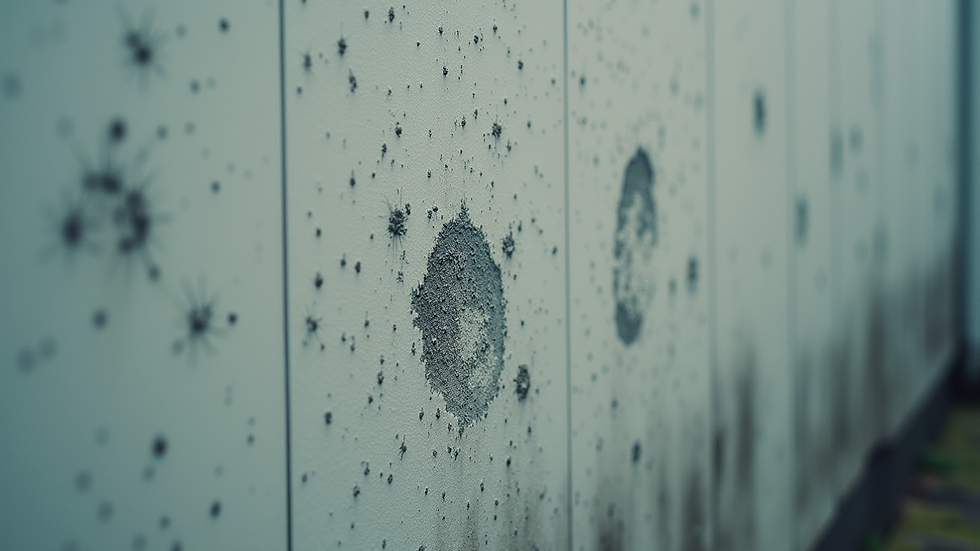
Prevent mold growth: Mold can begin to grow within 24 hours in damp conditions. Mold not only damages your property but also poses health risks.
Reduce structural damage: Water can weaken wood, drywall, and flooring quickly. The longer it stays, the more expensive repairs become.
Protect your belongings: Furniture, electronics, and personal items can be saved if dried promptly.
Lower restoration costs: Early intervention often means less damage and lower repair bills.
If you notice water pooling or signs of leaks, it’s best to act immediately. Turning off the water source and calling professionals can save you a lot of trouble.
Can I Do Water Mitigation Myself?
You might be wondering if you can handle water mitigation on your own. While some minor water issues can be managed with basic tools, water mitigation is a complex process that often requires professional expertise and equipment.
Here’s what you can do yourself:
Stop the water source: Shut off the main water valve or fix minor leaks.
Remove small amounts of water: Use mops, towels, or a wet/dry vacuum for minor spills.
Ventilate the area: Open windows and use fans to help air circulation.
However, for significant water damage, professional water mitigation services are essential. They have the right tools like industrial-grade dehumidifiers, moisture meters, and air movers. They also understand how to assess hidden moisture in walls and floors, which is critical to prevent mold and structural issues.
Attempting to do everything yourself can lead to missed moisture pockets and incomplete drying, which causes long-term problems. So, while you can start the process, calling in experts is the safest bet.

How Professionals Handle Water Mitigation Services
When you hire professionals for water mitigation services, you’re getting more than just water removal. Here’s a step-by-step look at what they do:
Inspection and assessment: They use moisture meters and infrared cameras to find all affected areas.
Water removal: Using pumps and vacuums, they extract standing water quickly.
Drying and dehumidification: Specialized equipment dries out walls, floors, and furniture.
Cleaning and sanitizing: They clean and disinfect to prevent mold and bacteria.
Restoration: Repairing or replacing damaged materials to restore your property.
This thorough approach ensures your home or business is safe, dry, and ready to use again. Plus, professionals can help with insurance claims by documenting the damage and restoration process.
Tips to Prevent Future Water Damage
Prevention is always better than cure. Here are some practical tips to help you avoid water damage in the future:
Regularly inspect plumbing: Check pipes, faucets, and appliances for leaks.
Maintain gutters and downspouts: Ensure water flows away from your building.
Install a sump pump: Especially useful in basements prone to flooding.
Seal windows and doors: Prevent water intrusion during storms.
Monitor humidity levels: Use dehumidifiers in damp areas to reduce moisture.
By staying proactive, you can reduce the risk of water damage and protect your investment.
When to Call for Help: Signs You Need Professional Water Damage Solutions
Sometimes, water damage isn’t obvious. Here are signs that indicate it’s time to call in the experts:
Persistent musty odors
Visible mold growth
Warped or buckled floors and walls
Discoloration or stains on ceilings and walls
Electrical issues or flickering lights after water exposure
If you notice any of these, don’t wait. Early professional intervention can save you money and stress.
Water damage can be daunting, but with the right knowledge and quick action, you can minimize its impact. Remember, professional water mitigation services are your best ally in restoring your property safely and efficiently. Stay vigilant, act fast, and protect your home or business from the unexpected.


Comments