
Certified Mold Inspection Services in NJ: What You Need to Know
- Angelo DeFilippis
- Mar 9
- 4 min read

When it comes to keeping your home or business safe and healthy, mold is a hidden threat you don’t want to ignore. Mold can cause serious health problems and damage your property if left unchecked. That’s why getting a professional mold inspection is so important. If you live in New Jersey, you want to make sure you’re working with experts who are certified and experienced. Let me walk you through everything you need to know about certified mold inspection services in NJ.
Why Mold Inspection Services Matter
Mold is more common than most people realize. It thrives in damp, humid environments and can grow behind walls, under floors, and in places you might never think to check. The problem is, mold isn’t just unsightly - it can cause respiratory issues, allergies, and even structural damage to your property.
A mold inspection service helps identify the presence of mold, the type of mold, and the extent of the infestation. This is crucial because not all mold is visible to the naked eye. Sometimes, mold hides inside walls or under carpets, making it impossible to detect without professional tools and expertise.
By scheduling a mold inspection, you’re taking a proactive step to protect your health and your investment. Certified inspectors use advanced equipment like moisture meters, infrared cameras, and air sampling devices to find mold and moisture sources that could lead to future problems.

What to Expect from Mold Inspection Services
When you hire a certified mold inspection service, you can expect a thorough and systematic process. Here’s what typically happens:
Initial Assessment
The inspector will start by asking questions about any visible signs of mold, musty odors, or water damage you’ve noticed. They’ll also look for areas prone to moisture, such as basements, bathrooms, and kitchens.
Visual Inspection
Using their trained eye, the inspector will check for visible mold growth, water stains, and signs of leaks or condensation. They’ll also inspect HVAC systems, crawl spaces, and attics.
Moisture Detection
Mold needs moisture to grow, so finding hidden moisture is key. Inspectors use moisture meters and infrared cameras to detect damp areas that might not be obvious.
Sampling and Testing
If mold is suspected but not visible, the inspector may take air or surface samples. These samples are sent to a lab to identify the type of mold and its concentration.
Detailed Report
After the inspection, you’ll receive a comprehensive report outlining the findings, including photos, test results, and recommendations for remediation if needed.
This process ensures you get a clear picture of your property’s condition and what steps to take next.
How to Choose the Right Certified Mold Inspection Service
Choosing the right mold inspection service can feel overwhelming, but it doesn’t have to be. Here are some tips to help you find a trustworthy and certified professional:
Check Certifications
Look for inspectors who are certified by recognized organizations such as the IICRC (Institute of Inspection Cleaning and Restoration Certification) or the American Council for Accredited Certification (ACAC). Certification means they have the training and knowledge to perform accurate inspections.
Experience Matters
Choose a company with a proven track record in mold inspection and remediation. Experienced inspectors are better at spotting hidden problems and providing reliable advice.
Ask About Equipment
The best inspectors use modern tools like thermal imaging cameras and moisture meters. Don’t hesitate to ask what equipment they use.
Read Reviews and Testimonials
Customer feedback can give you insight into the company’s professionalism, reliability, and quality of service.
Get a Clear Quote
Make sure you understand the cost upfront and what’s included in the inspection. Avoid companies that give vague estimates or pressure you into unnecessary services.
If you want peace of mind, consider working with certified mold inspection nj professionals who meet these criteria.

Signs You Need a Mold Inspection Now
Sometimes, it’s obvious that mold might be a problem. Other times, it’s more subtle. Here are some common signs that you should schedule a mold inspection immediately:
Musty Odors
A persistent, damp smell is often the first clue that mold is growing somewhere nearby.
Visible Mold Growth
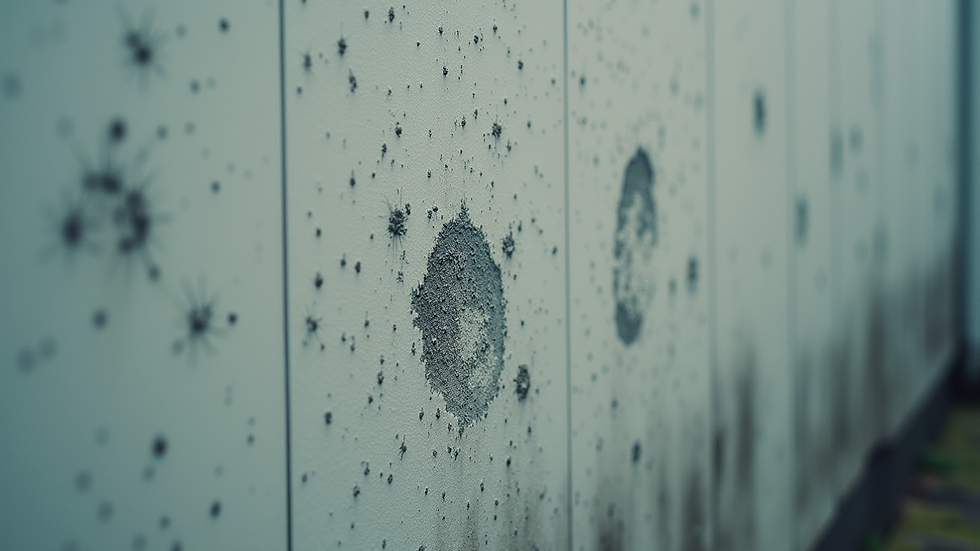
Black, green, or white patches on walls, ceilings, or floors are a clear sign.
Water Damage or Leaks
If you’ve had recent flooding, leaks, or water intrusion, mold could be developing behind the scenes.
Health Symptoms
If you or others in the building experience unexplained allergies, coughing, sneezing, or respiratory issues, mold might be the culprit.
Condensation or High Humidity
Excess moisture inside your property creates the perfect environment for mold growth.
Don’t wait for mold to spread. Early detection can save you money and protect your health.
What Happens After a Mold Inspection?
Once the inspection is complete and you have your report, the next steps depend on the findings. If mold is detected, remediation is necessary to remove it safely and prevent it from returning.
A certified mold inspection service will often work closely with remediation experts or provide recommendations for trusted professionals. The remediation process typically involves:
Containing the affected area to prevent mold spores from spreading
Removing mold-infested materials like drywall or carpet
Cleaning and disinfecting surfaces
Fixing moisture problems to stop mold from coming back
After remediation, a follow-up inspection may be done to ensure the mold has been completely removed.
If no mold is found, the report can still be valuable. It confirms your property is safe and helps you identify any moisture issues before they become a problem.
Protect Your Property with Certified Mold Inspection Services
Mold is a serious issue that requires professional attention. By choosing certified mold inspection services in NJ, you’re making a smart investment in your property’s health and longevity. These experts provide thorough inspections, accurate testing, and clear guidance on how to handle mold problems.
Remember, early detection is key. Don’t wait until mold causes visible damage or health issues. Schedule a certified mold inspection today and take control of your indoor environment.
If you want reliable, certified help, consider reaching out to certified mold inspection nj providers who understand the unique challenges of New Jersey homes and businesses. They’re ready to help you breathe easier and protect what matters most.
Thank you for reading! If you have any questions about mold inspection or need assistance, don’t hesitate to reach out to professionals who can guide you every step of the way.


Comments