
7 Common Causes of Basement Water Issues and How to Remove Them
- Angelo DeFilippis
- Jul 28, 2025
- 3 min read

Basements are a great addition to any home, offering extra space for storage, recreation, and more. But with that extra space comes the potential for water issues, which can be a homeowner's nightmare. Understanding the common causes of basement water problems and knowing how to address them can help keep your basement dry and your mind at ease.
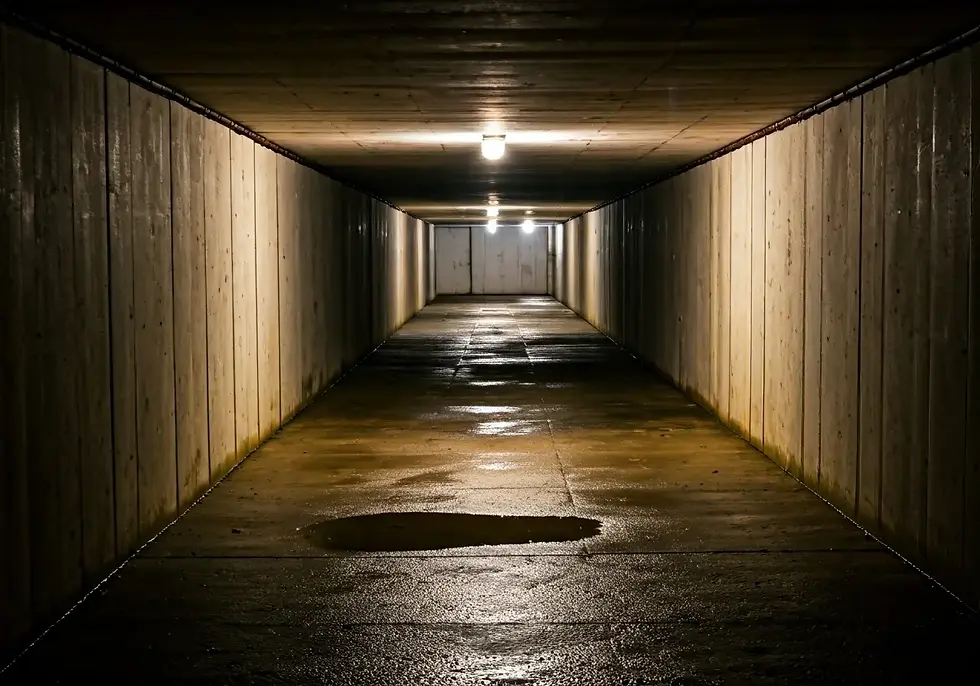
1. Cracks in the Foundation
Over time, foundations can develop cracks that allow water to seep into the basement. These cracks are often a result of natural settling. Regular inspections and using sealants can help in effectively keeping water out.
Identifying cracks early is crucial. Homeowners should inspect basement walls and floors a few times a year, checking for any new or expanding cracks. Using a good waterproof sealant can be very effective in sealing these cracks. There are many professional solutions available for foundation repair, but ensuring proper drainage and relieving** water pressure** around the foundation can prevent cracks from worsening.
2. Poor Drainage Systems
Improper drainage systems can lead to water accumulation around the foundation. Ensure gutters and downspouts are clean and direct water away from the home. Consider installing French drains for improved water diversion.
It's not uncommon for drainage problems to arise from clogged gutters or downspouts that either overflow or direct water towards the foundation. Regularly cleaning out these drainage systems can prevent water from pooling. Installing extenders on downspouts helps in leading the water further away from the house. A French drain, a trench filled with gravel or rock containing a perforated pipe, can be particularly effective at rerouting water away from your basement.
3. Hydrostatic Pressure
Hydrostatic pressure can build up around your basement, forcing water through walls and floors. Installing a sump pump or drainage tiles can relieve this pressure, helping to keep your basement dry.
Hydrostatic pressure is a common issue in areas with high groundwater levels. It can be overwhelming as it affects not only the floors but also the walls of a basement. To counteract this pressure, maintaining basement waterproofing measures becomes critical explaining hydrostatic pressure and ways to mitigate its effects.
4. Improper Grading
If the land around your home slopes towards the foundation instead of away, it can lead to water pooling near the basement walls. Regrading your yard can help direct water away from the house.
Regrading might sound like a substantial project, but it's crucial in preventing water issues. Landscaping around your home should always maintain a gentle slope that leads water away from your foundation. This not only avoids pooling but ensures better longevity of foundation safety. A good rule of thumb is to have at least a one-inch decline for every foot of slope.
5. Window Well Leaks
Basement windows can allow water to leak through if their wells are not properly sealed or are clogged. Installing covers and maintaining proper drainage around window wells can prevent water entry.
Installing window well covers is a simple yet effective solution to prevent debris accumulation and water overflow, as they keep leaves and rain out of the wells. However, even with covers, cleaning and maintaining proper drainage are pivotal. This ensures that any collected water is diverted away from the foundation rather than seeping down the walls.
6. Ineffective Sump Pumps
A malfunctioning sump pump can fail to remove water effectively, allowing it to accumulate in your basement. Regular maintenance and testing can ensure your sump pump is in working order when you need it most.
Scheduling routine checks, especially before heavy rain seasons, can be lifesaving for your basement. Ensuring your sump pump has a battery backup system will keep it operational during power outages, which often accompany severe weather. Also, familiarize yourself with your pump's manual operations in case automatic systems fail.
7. Basement Floor Seepage
Seepage through basement floors can occur when groundwater rises significantly. Waterproofing your basement floors and maintaining a dehumidifier can help manage moisture levels effectively.
Combatting floor seepage involves a few strategic steps. Using epoxy floor coatings not only seals your floor but prevents future seepage problems. Restoring humidity balance using dehumidifiers is another great way to protect against condensation. Also, consider options like interior drain tiles if seepage continues to be a problem.


Comments